

How to House Train a Puppy: Simple Steps for Family Success
November 20, 2026 · The Puppy Store
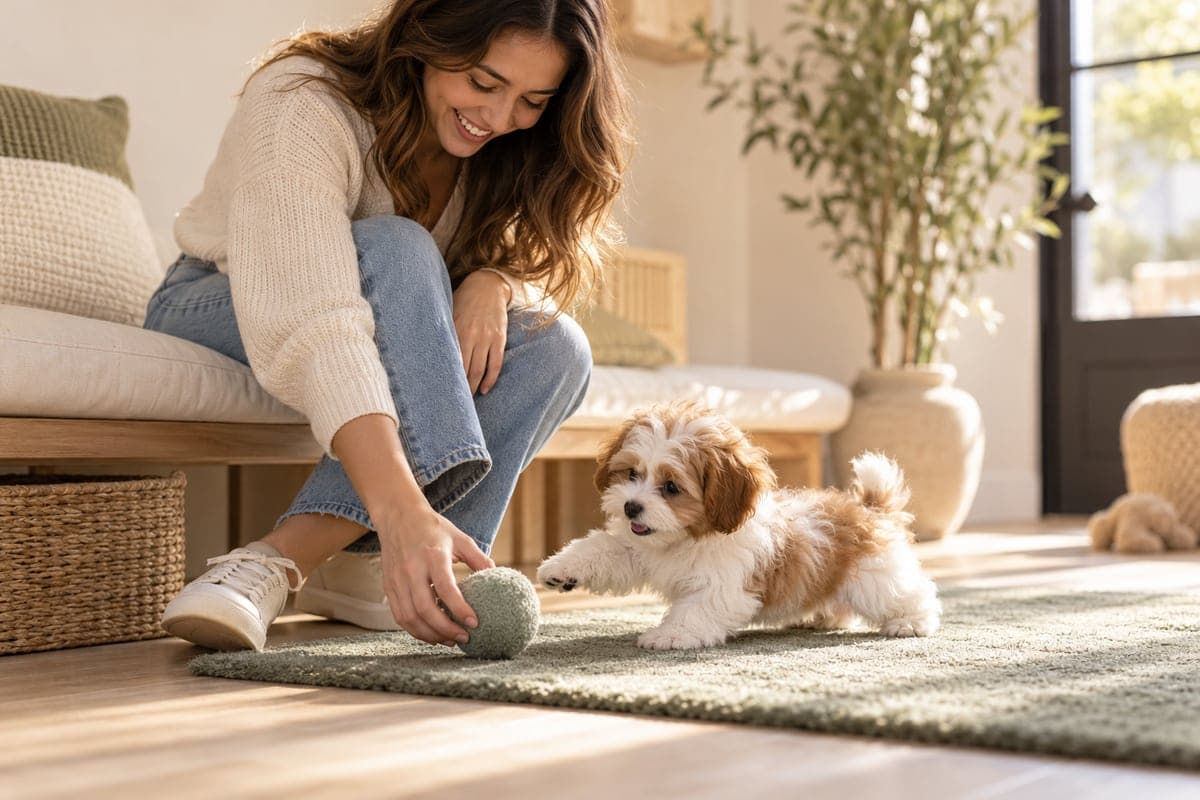
Bringing a new puppy home is an exciting time, but teaching them good bathroom habits can be challenging. House training is a key first step to a happy life together.
A gentle, steady plan helps your puppy learn faster and keeps your home cleaner. Here’s a simple guide for local families on how to house train a puppy with patience and understanding.
Start with the Right Supplies
A few essential items make house training easier. First, you’ll need a crate that’s just big enough for your puppy to stand up, turn around, and lie down. Crates help puppies learn bladder control and provide a safe place when you can’t watch them.
Use puppy pads, towels, or newspapers as backup, especially during the first few weeks. You’ll want some mild cleaner designed to remove pet odors for any inside accidents. And, keep treats handy to reward your puppy’s successes!
If you want to read more about puppy supplies, check out our care tips for families.
Set a Consistent Routine
Puppies learn best with a predictable schedule. Take your puppy outside to the bathroom spot when they wake up, after eating, after playtime, and before bed. Very young puppies may need trips outside every 1–2 hours at first.
Keep mealtimes at the same time every day. This way, you’ll have a better idea of when they need to go. Puppies usually need to go potty 5–30 minutes after eating. Keeping a routine helps your puppy make the connection between going outside and good bathroom habits.
If you work long hours, try to have a family member help with bathroom trips while your puppy is young.
Pick a Potty Spot and Stick To It
Choose a spot in the yard that’s easy to reach and away from play areas. The scent left from previous visits encourages puppies to use the same place again.
Walk your puppy to this spot on a leash, using the same door each time. Keep repeat trips calm and quiet. This helps your puppy stay focused and makes it easier for them to learn what’s expected.
Once your puppy finishes, offer gentle praise and a treat right away. Do this every time. This positive association helps them understand that they’re doing something good.
Supervise and Limit Freedom
Watch your puppy closely whenever they aren’t in their crate. Puppies can’t tell you when they need to potty at first. Look for signs like sniffing, circling, whining, or heading toward the door.
If you spot these signals, take them out right away. Supervision helps you catch mistakes early and guide your puppy to the right spot.
When you can’t keep an eye on your puppy, use a crate or small puppy-safe room. This prevents accidents and helps build good habits. Dogs naturally avoid soiling their sleeping space, making a crate a useful house training tool.
What To Do When Accidents Happen
Accidents are part of the learning process, especially in the first few weeks. If you catch your puppy in the act, calmly interrupt them—say "outside" or gently scoop them up and bring them to their potty spot. Stay patient and never scold or punish your puppy; it can make them afraid to go in front of you.
Clean up messes right away using an enzyme cleaner to remove odors. If the area smells like urine, your puppy might return there in the future. Mistakes are normal, so keep your focus on praise for going in the right place.
If accidents keep happening, go back to basics—shorten the time between potty trips and supervise more closely.
Gradually Increase Independence
As your puppy gets better at holding it, start giving them more freedom in the house. Open up new rooms one at a time and watch them carefully for signs they need to go out.
Continue to praise and offer treats for going outside. Each success builds your puppy’s understanding. With time and patience, the number of accidents will go down and your puppy will gain more trust and freedom around your home.
House training can take weeks or sometimes a few months. Every puppy learns at their own pace. Stick to the plan and celebrate small victories together.
Extra Tips for Easy House Training
Feed your puppy high-quality food on a set schedule, and keep water available except right before bedtime (unless your vet says otherwise). This helps you predict when they’ll need to go outside.
Puppies don’t always bark or whine before they need to go, so stay alert for those little cues. The more you stick to a plan, the faster your puppy learns where to go.
If you want advice on choosing the right puppy, visit our puppies or learn more about our stores. Each puppy is different, but house training can be a smooth process with a simple plan and plenty of love.
Frequently asked questions
How long does it take to house train a puppy?
It depends on your puppy’s age, breed, and previous experiences. Many puppies learn the basics in a few weeks, but some may take a few months. Patience and consistency are key.
What if my puppy keeps having accidents?
Go back to taking them out more often and watch for signs they need to go. Keep cleaning up thoroughly and stay positive—puppies learn best with gentle correction and praise.
Should I use puppy pads or go straight to outdoor training?
Both can work. Outdoor training is usually easier for long-term results, but puppy pads can help when you can’t get them outside quickly or live in an apartment.
Can I walk my puppy outside before they have all their shots?
Ask your veterinarian. Many families start house training in a safe, clean yard until their puppy’s shots are complete.
Why is my puppy peeing as soon as they come inside?
Your puppy may be distracted outside or may not have fully emptied their bladder. Give them time, use a leash, and try to keep bathroom trips quiet and calm to help them focus.
What should I do at night when house training?
Take your puppy out right before bed and, if needed, once during the night. Young puppies can’t hold it long, but this will improve as they get older.